In today’s evolving blog we will talk about GENDERQUEER. What is GENDERQUEER? What does it mean for someone to identify that way? We’ll break it down clearly, exploring identity, expression, history, and support.
Table of Contents
What is GENDERQUEER?
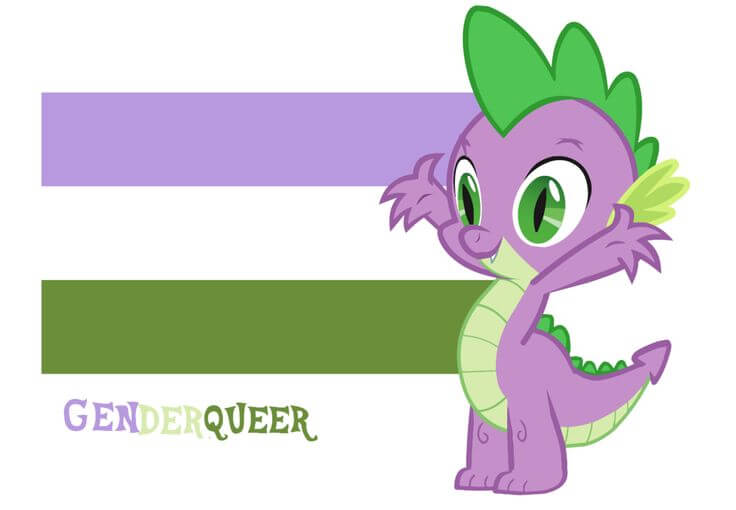
GENDERQUEER is a gender identity that falls outside the traditional categories of strictly “male” or “female.” People who identify as genderqueer often see gender as fluid, non-binary or not confined to societal norms.
They may:
- Feel both male and female
- Feel neither
- Move between genders
- Reject the concept of gender altogether
GENDERQUEER is often used interchangeably with non-binary, though some people use one term over the other based on personal or political preference.
Is GENDERQUEER a New Identity?
Not at all.
While the term GENDERQUEER became more common in the 1990s, gender-diverse identities have existed across cultures for centuries. Many Indigenous cultures around the world recognize third genders or fluid gender roles proving that binary gender is not a universal concept.
Why Do People Identify as GENDERQUEER?
Everyone experiences gender differently. For some, traditional gender roles feel restrictive or simply inaccurate. Identifying as GENDERQUEER allows a person to authentically express their gender without being boxed into labels like “man” or “woman.”
Being GENDERQUEER is a deeply personal and valid identity — not a phase or confusion.
Common Myths About GENDERQUEER People
Let’s bust some common myths:
- “It’s just a trend.”
False. Gender diversity has always existed — society is just becoming more aware. - “It’s the same as being gay.” or “What is GENDERQUEER?“
No. Gender identity (who you are) and sexual orientation (who you’re attracted to) are separate. - “They just want attention.”
Absolutely not. GENDERQUEER people seek recognition, respect, and the freedom to be themselves.
How to Support GENDERQUEER Individuals
- Use the right pronouns.
Many genderqueer people use they/them, but always ask politely. - Don’t assume.
Respect their identity without requiring an explanation. - Educate yourself.
Learn about gender diversity through books, videos, and reliable websites. Find answers to What is GENDERQUEER? - Create safe spaces.
Be an ally — at home, school, work, and online.
Mental Health and Safe Spaces
Like many LGBTQ+ identities, GENDERQUEER individuals may face stigma, rejection, or misunderstanding. This can lead to anxiety, depression, or loneliness. Mental health support, community connections, and validation are key to well-being.
If you or someone you know is struggling, here are trusted resources:
- The Trevor Project – Crisis support and counseling for LGBTQ+ youth
- LGBT National Help Center – Free and confidential peer support and hotlines
- Q Chat Space – Online chat-based support groups for LGBTQ+ teens
- MindOut (UK) – LGBTQ mental health service
- Trans Lifeline – Peer support hotline run by and for trans people
No matter where you are on your journey, you are not alone. Safe spaces, both online and offline can offer community, healing, and belonging.
Find Support with us!
- LGBTQ+ centers and helplines
- Online support groups
- Therapists experienced in gender identity
- Reddit communities and safe spaces
Our subreddit r/poppersden is a safe, supportive space for everyone in the LGBTQ+ community including those who identify as GENDERQUEER. You’re welcome here!
GENDERQUEER is Real, Valid, and Beautiful
GENDERQUEER people are helping reshape how we understand gender — not as a rigid box, but as a spectrum of human experience. Whether you’re exploring your own identity or supporting someone else’s, remember this:
GENDERQUEER
Is not a trend!
It’s not confusion!
It’s an authentic identity!
If you’ve ever wondered “What is GENDERQUEER?” now you know:
It’s freedom!
It’s fluidity!
It’s a powerful statement of self!