Understanding the Transgender Community: Identity, Support, and Safe Spaces!
The transgender (or trans) community – is a vital part of the broader LGBTQ+ spectrum. A transgender person is someone whose gender identity differs from the sex they were assigned at birth.
For example, a male at birth may identify as a woman, or female may identify as non-binary or a man.
Table of Contents
What Does It Mean to Be Transgender?
Transgender (often shortened to trans) is a term used to describe people whose gender identity. Their internal sense of being male, female, both, neither or somewhere along the gender spectrum is different from the sex they were assigned at birth.
For example:
- A female at birth who identifies as a man is a transgender man.
- A person assigned male at birth who identifies as a woman is a transgender woman.
- Some trans people identify as non-binary, meaning they don’t fit neatly into “man” or “woman.”
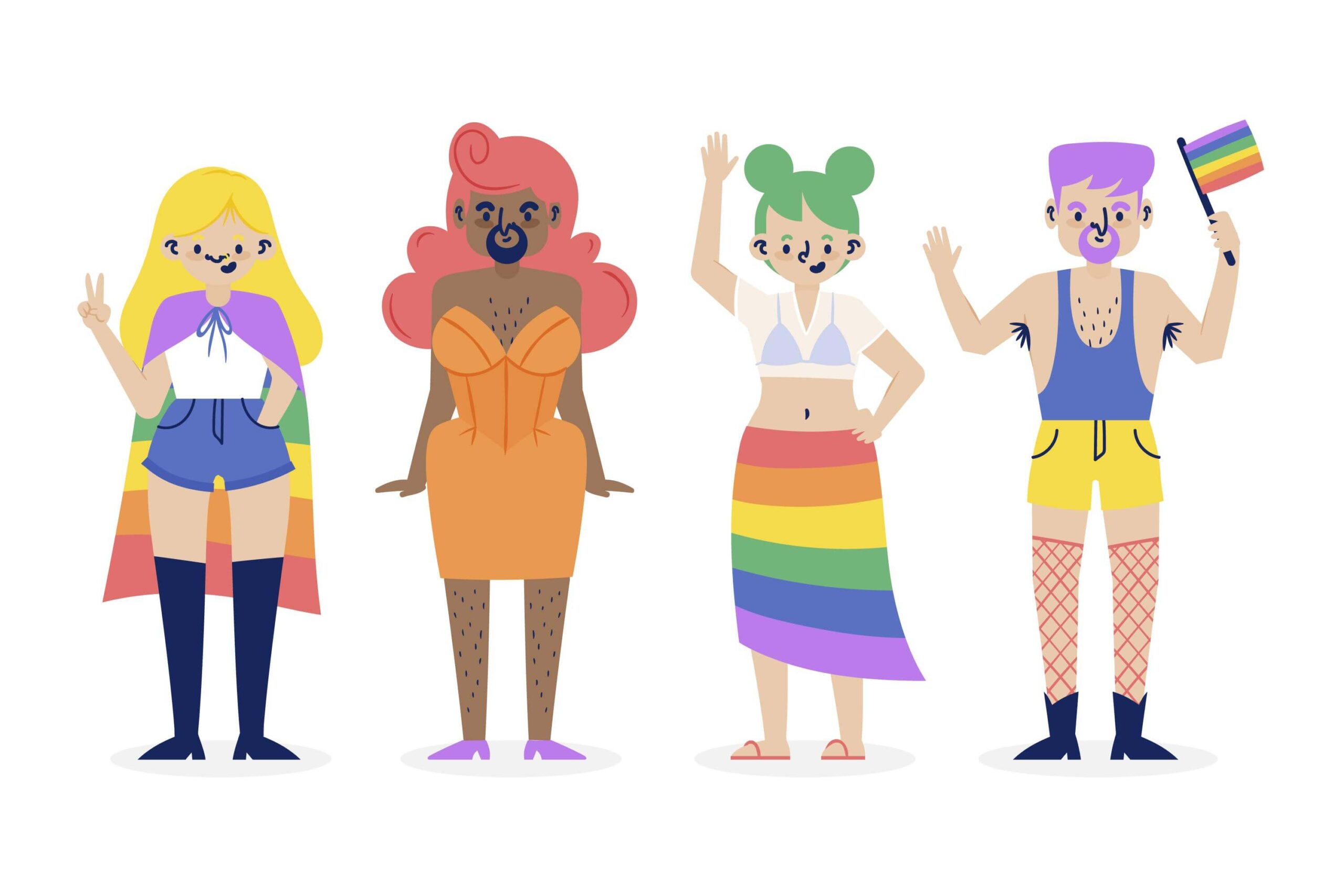
Being transgender is about who you are, not what you wear, how you behave, or who you’re attracted to.
How Do You Know You’re Transgender?
There’s no one-size-fits-all answer. For many, it’s a deep and consistent feeling that their true gender doesn’t align with how society expects them to behave or identify. This realization can happen at any age and often involves a process of self-reflection, exploration, and education. It’s okay to question and take your time.
Coming Out as Trans
Coming out as a Transgender is a personal journey. You can start by sharing with someone you trust. Be clear, patien tand open to questions, but only if you feel safe. Some people come out gradually, while others do so more publicly. It’s okay to choose how and when to share your truth.
Tips for Coming out:
Practice what you want to say.
Be prepared for different reactions.
Set boundaries. You don’t owe anyone all the details.
Know that your identity is valid, even if others don’t understand right away.

Is Being Transgender a Mental Illness?
No. Being Transgender is not a disease or mental disorder!
This is a common misconception that has been thoroughly debunked by the medical and psychological community. Major health organizations, including:
- The World Health Organization (WHO)
- The American Psychiatric Association (APA)
- The American Psychological Association
- The National Health Service (NHS)
… all agree that being transgender is a natural human variation, not a mental illness.
In fact, since 2019, the WHO has officially removed “gender identity disorder” from its list of mental health disorders and replaced it with “gender incongruence” now recognized as a condition related to sexual health, not mental health.
Mental Health and the Trans Community
Being Transgender is not a mental illness! But living in a society that may reject or discriminate against you can deeply affect your mental health. Transgender people are at higher risk of anxiety, depression, and suicide – not because of who they are, but because of how they are treated.
What Helps:
- Connecting with affirming communities
- Speaking with a therapist who understands gender diversity
- Practicing self-care and self-compassion
Where to Find Help and Safe Spaces?
Support is out there. Whether you’re questioning your gender, just coming out, or far along in your journey, there are resources to help:
- LGBTQ+ centers in your city or region
- Online forums and support groups, like: PFLAG
- Therapists specializing in gender identity
- Discord servers, subreddits, and safe online communities
Most importantly: you are not alone. There is a growing movement of allies and fellow trans individuals ready to support you. Whether you’re looking to talk, learn, or simply feel seen, safe spaces are CRUCIAL!
One such space is our subreddit: r/poppersden — a welcoming and affirming place for LGBTQ+ folks and allies. You’re safe here. xoxo Husky & Bear