
Let’s start with what this post is not.
It’s not a glossary entry. It’s not a listicle of things you didn’t know about leather culture. And it’s not written from the outside looking in.
I’m a bear, and I’ve spent years close to leather culture — close enough to have real friendships, real conversations, and real insight into what it actually means. A close friend of mine is a leather daddy in the truest sense of the term. Not because he owns the gear, but because he lives the values. When I wanted to understand this subject properly, I went to him. What follows draws heavily on his experience, his words, and the community he’s been part of for decades.
So whoever you are — curious outsider, nervous newcomer, or someone already in leather spaces looking for language that matches what you’ve lived — this is written with you in mind.
Quick Summary
Don’t have time to read the full post? Here’s what you need to know:
- A leather daddy is typically an older or more experienced man in leather subculture who takes on a role of mentorship, guidance, and authority — earned through values, not just gear.
- Leather culture has deep roots in post-WWII gay male communities, born from a need for chosen family, identity, and safety.
- The biggest misconception is that it’s all about dominance and sex. The reality is built on responsibility, consent, and showing up for people.
- Mentorship in leather culture is usually small, consistent, and unflashy — not ceremonies or titles.
- There is no single way to be a leather daddy. Some are bikers, some are kink-focused, some are community organisers. What holds it together are shared values.
- If you’re curious or on the edge of stepping in: you don’t need to arrive fully formed.
Table of Contents
The Surface Answer and Why It Isn’t Enough
If you search “leather daddy” online, you’ll get a mix of results: images of men in black leather, references to BDSM culture, maybe a Wikipedia entry, maybe something from a TV show using it as a punchline.
That’s the surface answer. It’s not entirely wrong, but it’s like describing a cathedral by telling someone it’s a big building with a pointy roof.
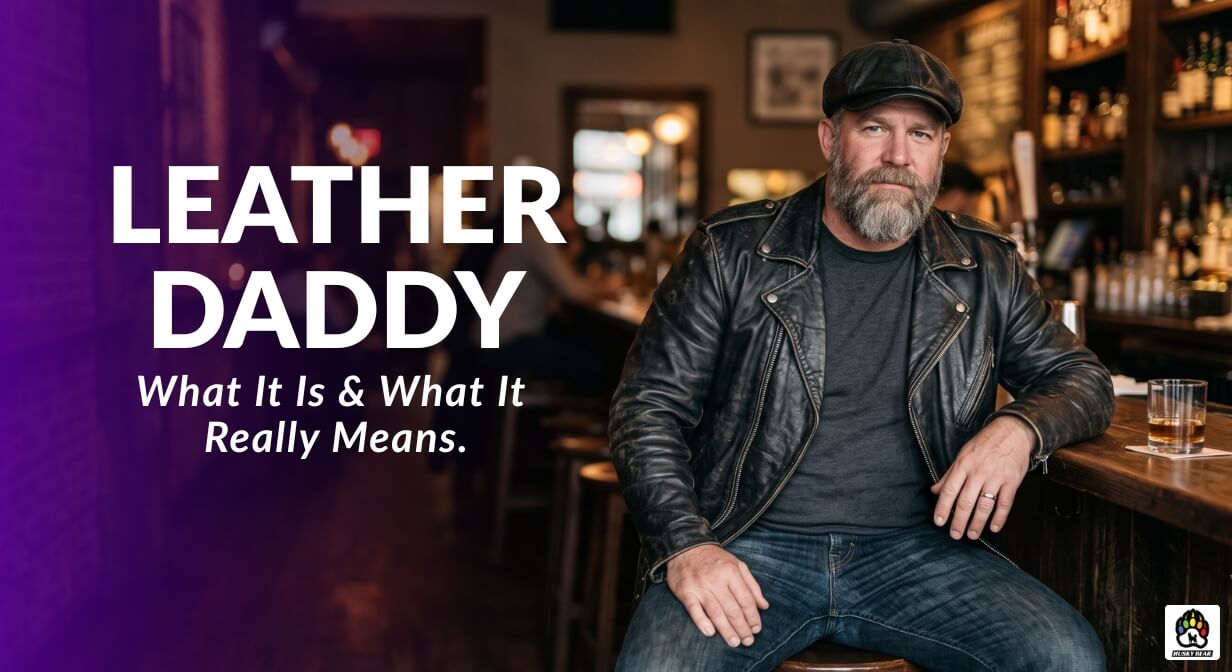
A leather daddy is, broadly speaking, an older or more experienced man within leather subculture who takes on a role of authority, mentorship, or guidance. The aesthetic is real — the gear, the caps, the boots, the bearing. But none of that is the substance. None of that is what actually earns the title.
My friend puts it plainly: the leather came along with who he became, but it was never just about what hangs in a closet.
Where Leather Culture Actually Comes From
You cannot talk about leather culture honestly without acknowledging its roots.
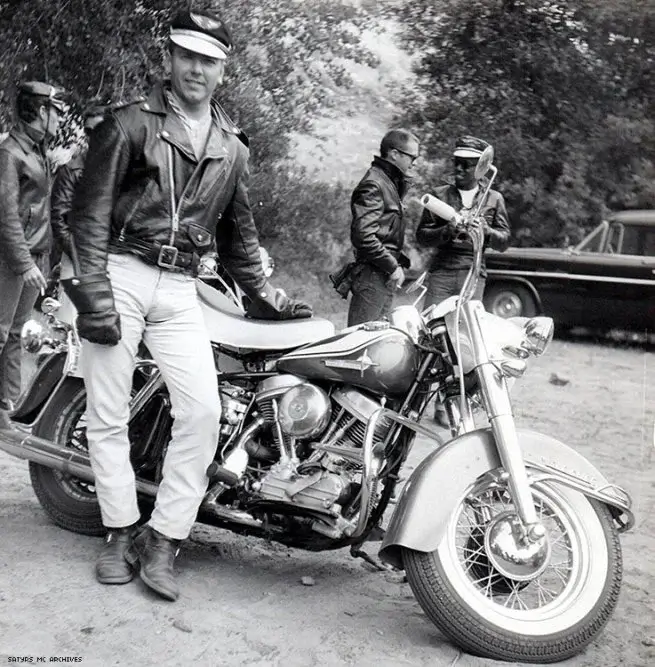
Leather communities grew out of post-WWII gay male subculture, particularly in cities like San Francisco, New York, and Chicago. Veterans returning from the war brought with them a taste for motorcycle clubs, brotherhood, and a particular masculine aesthetic. That energy found its home in gay bars and underground spaces at a time when simply being gay was criminalized. The leather community became, among other things, a way of building chosen family, asserting identity, and creating safety in numbers.
The Stonewall era amplified and politicized these communities. Organizations like the Leather Archives and Museum in Chicago now exist specifically to preserve this history, because it matters — and because it’s easy to lose when culture shifts fast and people forget to look back.
None of this means leather culture belongs exclusively to gay men, or that it looks today exactly as it did in 1955. But if you erase where it came from, you’re not telling the truth about what it is. History tells us where a culture came from. Personal experience tells us how people live it today.
The Biggest Misconception About Leather Daddies
The most common thing people get wrong is this: they assume the title is about dominance, intimidation, or a kind of hypersexual toughness.
A newcomer once asked my friend if being a leather daddy basically meant being the boss of everyone. His answer was no. If anything, the title comes with more responsibility, not more privilege. People look to you for guidance. They expect you to model good behavior. They trust you with things that matter to them. That’s not something you take lightly.
Some of the most respected leather daddies he’s known earned that respect because they were dependable, generous with their time, and deeply committed to their community — not because they could silence a room by walking into it.
There’s also a misconception that leather culture is frozen in the past. There’s real respect for history and tradition, yes. But the community has always evolved. New people bring new perspectives, and that’s healthy. Tradition without growth becomes a museum piece.
Mainstream media tends to miss the mentorship side of things almost entirely. They’ll focus on the gear, the motorcycles, maybe the kink if they’re feeling adventurous. What they rarely show is the conversations that happen over coffee at two in the morning — helping someone through a rough patch, teaching etiquette, sharing history, or introducing a nervous newcomer to people who’ll actually make them feel welcome.
What Leather Culture Is Really Built On
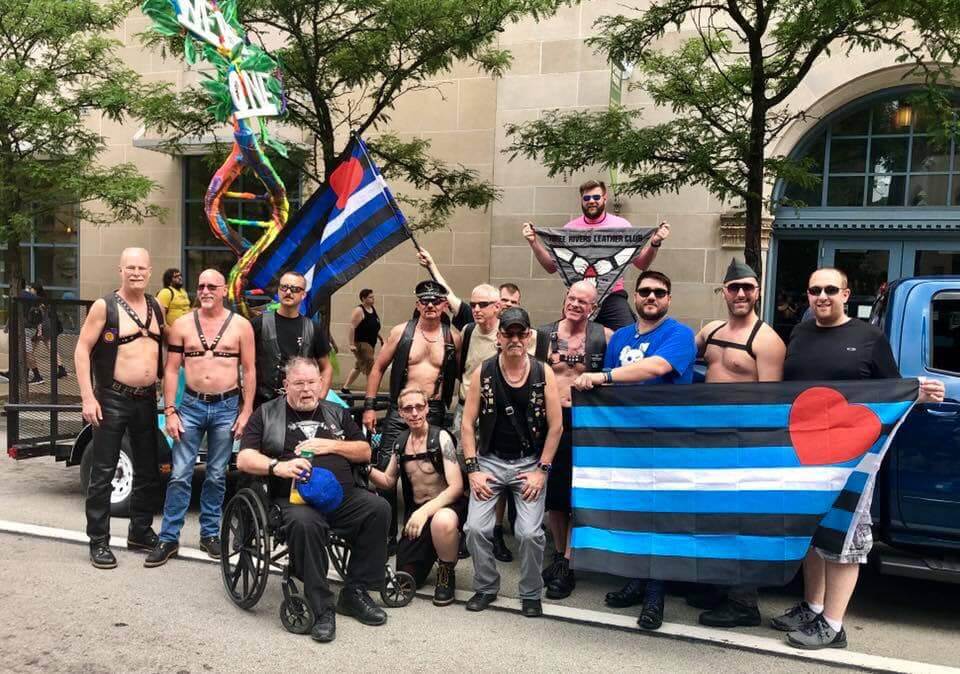
Leather culture, at its best, is not about performance or perfection. According to my friend — and from everything I’ve seen firsthand — it’s about responsibility, consent, connection, and the way people choose to show up for each other.
Everything else — the gear, the roles, the aesthetics, the labels — is secondary to that foundation.
When someone identifies as a leather person, they’re often signaling something about how they want to be in relationship with others: honestly, accountably, with clear boundaries and real follow-through. That’s not a small thing. A lot of communities talk about those values. Leather culture tends to take them seriously in practice.
What Mentorship Actually Looks Like in Practice
People often imagine mentorship in leather culture as a formal affair — ceremonies, protocols, the official handing down of titles. Sometimes it includes those elements. More often, it looks like something much quieter.
My friend told me about a moment that’s stayed with him. A young guy showed up at a community gathering wearing a brand-new leather vest that still looked like it had come straight out of the packaging. It was obvious he’d spent weeks working up the nerve to be there. The second he walked in, he started comparing himself to everyone else in the room — veterans with decades of history behind them, people covered in patches they’d earned, folks who seemed to know everyone by name. He spent most of the evening standing near a wall, pretending to check his phone.
An older leather daddy in the room noticed.
He didn’t march over and give a speech. He didn’t make a big show of taking the kid under his wing. He just walked up, introduced himself, and asked one simple question: “what brought you here tonight?“
That turned into a twenty-minute conversation.
Then the older man introduced the newcomer to a few people — not important people, just good people. The kind who would talk with him instead of at him.
Later that night, the kid admitted he’d been worried everyone would think he was a fraud because he was new and didn’t know much about the culture. The older daddy laughed and said something my friend has never forgotten:
“Every patch in this room belonged to a beginner once.”
Nothing dramatic happened after that. No life-changing ceremony. No movie ending. But the kid came back the next month. Then the month after that. Eventually he started volunteering, helping organize events, welcoming newcomers of his own.
That’s what mentorship usually looks like in practice. Small. Consistent. Unflashy.
The best leather daddies aren’t trying to create copies of themselves. They’re helping other people become more fully themselves. That’s a much harder job — and a much more meaningful one.
On Sexuality and Kink: Holding the Complexity
This is the part where a lot of articles either over-explain or under-explain. The honest answer is that it’s both specific and broader than most people expect.
Leather culture has deep roots in queer communities — particularly gay male culture — and has long-standing connections to BDSM and kink. Ignoring that history would be dishonest.
At the same time, spend enough years around leather spaces and you realize human beings don’t fit into neat categories. You’ll meet people who are deeply involved in kink. Others who aren’t. People who see leather as a spiritual practice, a social identity, a chosen family, a form of self-expression, or a connection to tradition. Some are gay, some are bi, some are straight, some are things that didn’t even have widely recognized names a generation ago.
The mistake is treating “leather daddy” as if it only means one thing.
If someone says it’s only about sexuality, they’re missing a huge part of the picture. If someone says it has nothing to do with sexuality or kink, they’re missing part of the picture too. Both extremes flatten something that’s actually rich and complicated.
What matters more, in my friend’s view, is how someone treats people. Does he keep his word? Does he respect boundaries? Does he help newcomers feel welcome? Does he contribute something meaningful to the community? Those things reveal far more about the person than any label does.
There Is No Single Way to Be a Leather Daddy
It’s tempting, when writing a post like this, to offer a clean and unified definition. There isn’t one.
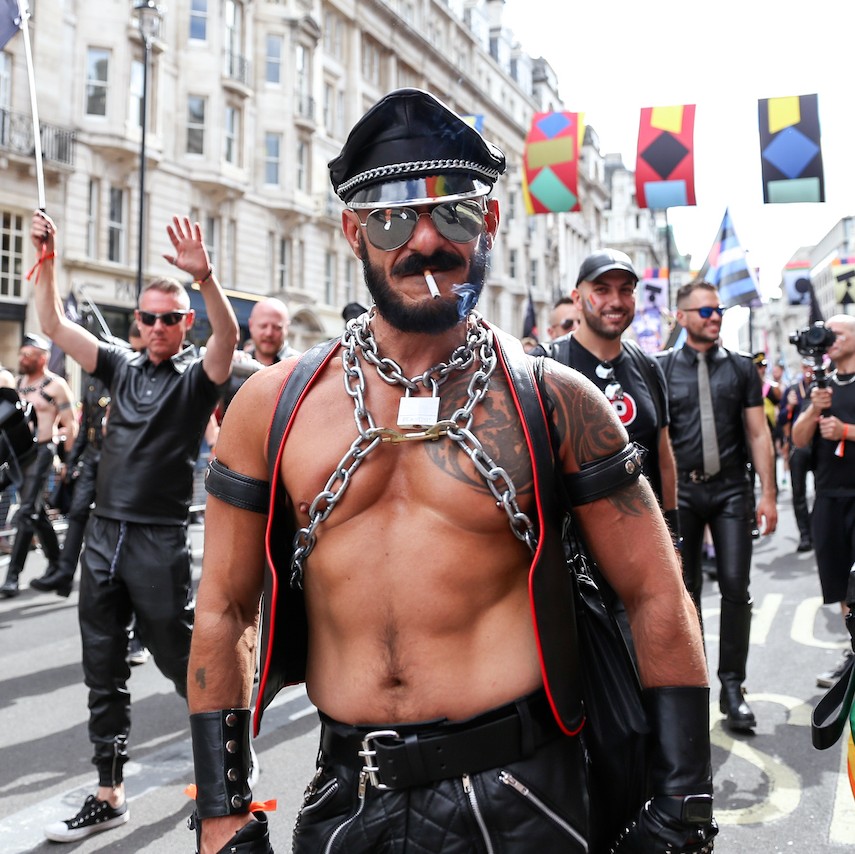
Some leather daddies are bikers. Some are deeply involved in kink. Some focus on service, community events, or preserving leather history. Some carry the title formally, as part of a specific leather family or club structure. Others carry it as an identity that emerged from lived experience rather than ceremony.
What holds it together isn’t aesthetics or a checklist of rules. It’s a shared orientation toward how to be in community — with integrity, with accountability, with genuine care for the people around you.
As my friend puts it: being a leather daddy isn’t about looking powerful. It’s about being worthy of the trust that power can create.
If the leather community is part of your world — whether you’re a leather bear, a leather daddy, or someone drawn to that intersection — our leather pride poppers collection was curated with you in mind.
What the Leather Community Looks Like From the Inside
Having spent time adjacent to this world as a bear, what strikes me most isn’t the aesthetic — though that’s hard to miss. It’s the texture of how people actually relate to each other.
There’s a seriousness about earned respect that you don’t find in every community. Titles and patches mean something because they represent something — time, commitment, relationship, contribution. People notice who shows up consistently and who disappears when things get hard.
There’s also more humor than outsiders might expect. The culture has a long history of not taking itself too seriously even while taking its values seriously. The two aren’t in conflict.
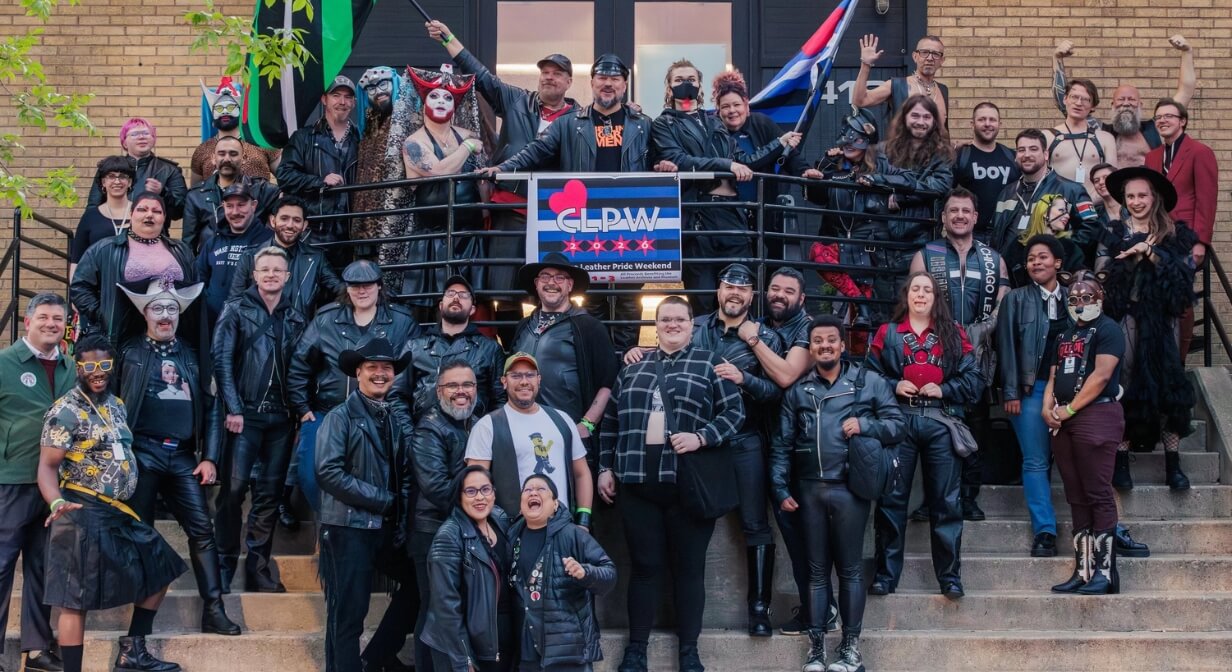
And there’s genuine diversity of experience within the community — different generations, different backgrounds, different relationships to kink and identity and history — held together by shared values rather than uniform identity.
If You’re on the Edge of Stepping In
If you’re reading this because you feel drawn to leather culture but aren’t sure if you belong, here’s something worth sitting with:
You don’t need to arrive fully formed.
The vest that’s too new, the handshake that’s a little nervous, the sense that everyone else knows something you don’t — that’s the beginning of the story, not evidence that it isn’t yours to tell.
Every leather person you admire started somewhere. They walked into a room for the first time. They didn’t know the right people or the right protocols. They wondered if they were doing it wrong.
What they did was show up. And then show up again.
That’s usually how it starts.
What This All Adds Up To
Leather culture isn’t a caricature. It isn’t a costume. And it isn’t one thing.
It’s a community with real history, internal diversity, ongoing evolution, and values worth taking seriously. The leather daddy, at his best, is someone who carries that history and those values — not as weight, but as something worth passing on.
If you only remember the image of leather and miss that part, you’ve missed the point.
Have questions, reactions, or your own experience with leather culture? The conversation is always open in the comments.
Frequently Asked Questions
-
What is a leather daddy?
A leather daddy is typically an older or more experienced man within leather subculture who takes on a role of mentorship, authority, and guidance. The title is associated with the leather community’s values — integrity, accountability, and showing up for others — not simply with wearing leather gear. It is earned through lived experience and the trust of the community, not purchased or self-declared.
-
Where does the leather daddy identity come from?
The leather daddy identity has its roots in post-World War 2 gay male culture, particularly in cities like San Francisco, New York, and Chicago. Gay veterans returning from the war formed motorcycle clubs and social spaces that became the foundation of leather culture. These communities provided chosen family, identity, and safety at a time when gay men faced significant legal and social persecution. The leather daddy role emerged as a natural part of that culture’s structure — experienced members guiding newer ones.
-
Is a leather daddy always involved in BDSM or kink?
Not necessarily. Leather culture has long-standing historical connections to BDSM and kink, and those connections are real and worth acknowledging. However, many people who identify within leather culture — including leather daddies — are primarily drawn to its values of community, mentorship, tradition, and earned respect rather than to kink specifically. The identity is broader than any single aspect of sexual culture.
-
What is the difference between a leather daddy and a bear daddy?
A bear daddy (or daddy bear) is a term used within the bear community to describe an older bear who may take on a mentorship or authority dynamic. A leather daddy is specifically rooted in leather subculture, which has its own distinct history, aesthetics, protocols, and community structures. The two identities can overlap — a leather bear, for example, sits at the intersection of both worlds — but they come from different community traditions.
-
Is leather culture welcoming to newcomers?
In most cases, yes — especially when newcomers approach the community with genuine curiosity and respect. Leather culture does have protocols and traditions, and learning them takes time. But the community has always been built on the idea that everyone starts somewhere. The most important thing is to show up, be honest about where you are, and be willing to listen and learn.
-
What does leather pride mean in the LGBTQ+ community?
Leather pride refers to the celebration of leather culture, identity, and community within LGBTQ+ spaces. It has its own flag — the Leather Pride Flag, designed in 1989 by Tony DeBlase — and is marked by events, gatherings, and a shared identity rooted in values of authenticity, earned respect, and community. Leather pride is part of the broader tapestry of LGBTQ+ identities and has a long, documented history within queer culture.
-
Is leather culture only for gay men?
No. While leather culture originated primarily in gay male communities, it has always included people of diverse sexualities and, increasingly, gender identities. Today, leather spaces welcome gay men, bisexual men, straight men, women, non-binary people, and trans individuals. The community’s founding values of authenticity and inclusion have drawn a wider range of people into leather culture over the decades.
-
How do you become a leather daddy?
There is no single path. Some carry the title as part of a formal leather family or club structure, where it is conferred by the community after years of involvement. Others grow into it organically through lived experience, mentorship given and received, and a reputation built over time. What both paths share is that the title reflects who you are and how you treat people — not what you wear or what you own.