
After last week’s deep dive into the topic of Transgender – One of the LGBT+ Spectrum, I felt inspired to continue this journey. I’m exploring different identities within the LGBTQ+ community not just to raise awareness, but to bring clarity and connection. This time, we’re tackling a question many people ask quietly: “Am I nonbinary?” So let’s dive in and see what nonbinary really means and how you should know if maybe you are a nonbinary or just a little on the nonbinary spectrum.
Table of Contents
What Does Nonbinary Mean?
Simply, nonbinary refers to anyone whose gender identity doesn’t fit strictly within the categories of “male” or “female.” While mainstream society often operates within a gender binary, the reality is far more diverse.
Nonbinary individuals may identify:
- As both: male and female
- As neither
- As somewhere in-between
- As something fluid or entirely unique
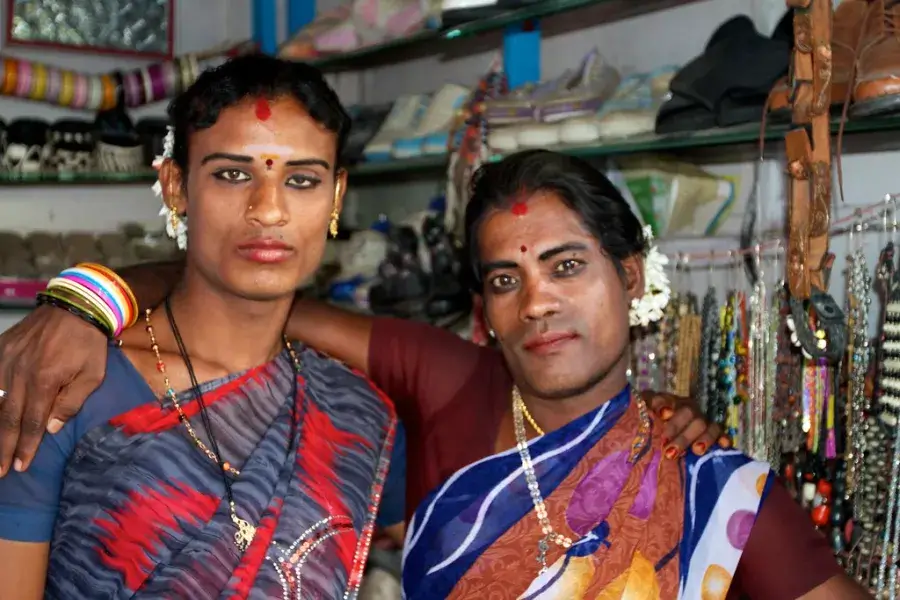
It’s important to note that nonbinary identities are not new. Cultures across the globe – from Indigenous North American tribes to South Asian hijra communities have recognized more than two genders for centuries. The Western world is just beginning to catch up.
Am I Nonbinary?
If you’re here asking this question, am I nonbinary? Or am I on the spectrum of non-binary because sometimes you get the feeling something about the traditional gender roles just doesn’t fit. You might notice things like:
- Feeling uneasy when people refer to you with gendered terms like “sir” or “ma’am.”
- Not identifying fully with the gender you were assigned at birth.
- A strong emotional reaction, positive/negative when hearing about other people’s gender journeys.
- A desire to express yourself outside of “typical” masculine or feminine norms.
- Feeling more like “yourself” when gender expectations are lifted.
Enby ?
Is a short queer term that refers to a “non-binary person.” Enby is a phonetic pronunciation of the letters NB, an initialism for non-binary, people who may not identify their gender as male or female. This label is used alternatively as part of the gender and sex terminology binary, replacing the binary terms boy, man, woman, or girl. Noun or adjective
It can start small like a moment of reflection while watching a movie, hearing someone use they/them pronouns, or trying on a different style of clothing, and suddenly… something clicks. It may not be clear or immediate, but it’s real. Take a deep breath. You’re not alone.
You are not alone because, this question itself is a powerful sign that you’re listening to yourself. That you’re beginning to notice what feels right and what doesn’t. And that’s brave!
Gender is personal. It’s layered. And it’s okay not to have all the answers right away. What matters is permitting yourself to explore, to feel and to be honest about your experience – even if it doesn’t fit into a neat box.
You might be nonbinary if you’ve ever felt:
- That you don’t fully relate to being strictly male or female
- That gender labels feel limiting or irrelevant to you
- That your gender expression changes or doesn’t fit societal expectations
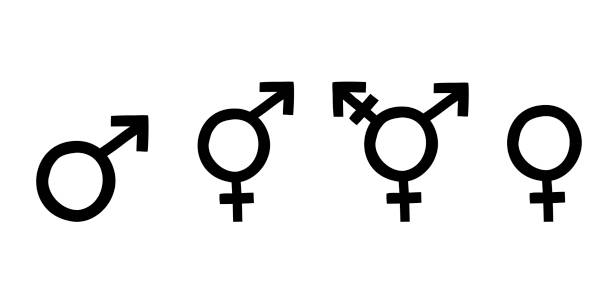
But being nonbinary isn’t about checking boxes. It’s about being true to yourself. Gender is a spectrum, not a rulebook.
Only you can define your gender identity. No one else can do that for you!
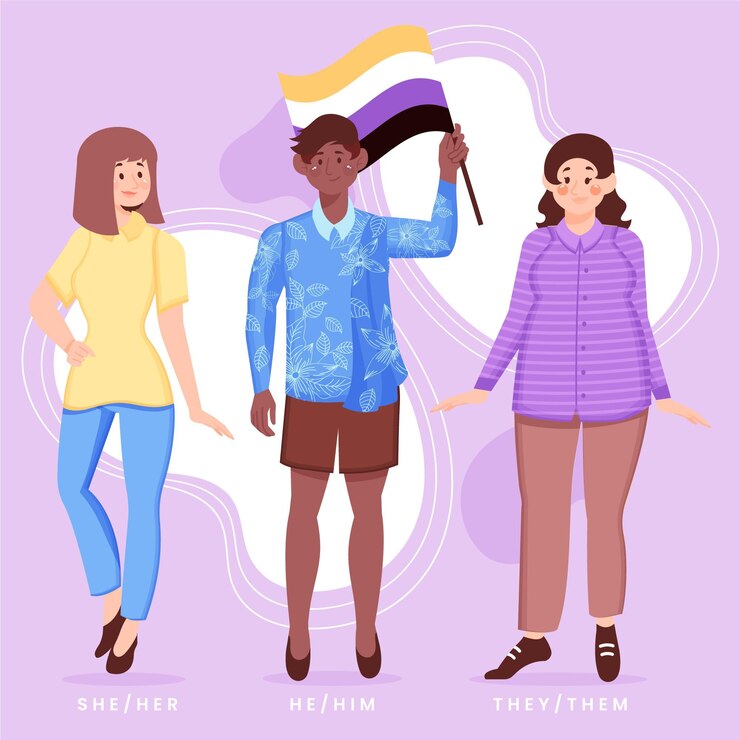
Some nonbinary people use gender-neutral pronouns like they/them, others continue using he/him or she/her, and many use a combination or entirely different pronouns. The expression doesn’t define identity. Your inner truth does!
Are Nonbinary People Trans?
This is a question that comes up a lot. The answer is: sometimes.
Many nonbinary people also identify as transgender, because their gender identity differs from the one assigned at birth. Others don’t feel that the “trans” label fits them.
There’s no one-size-fits-all approach. And that’s the beauty of it identity is personal. You’re allowed to exist outside of expectations.
The Challenges of Being Nonbinary
Unfortunately, nonbinary individuals often face a unique kind of invisibility. Society’s systems from ID documents to language and bathrooms are deeply binary.
Because of this, nonbinary people may experience:
- Misgendering
- Lack of legal recognition
- Social isolation
- Discrimination at work, school, or in healthcare
That’s why visibility matters. Understanding nonbinary identities helps build a world that doesn’t just tolerate – but embraces diversity.
How Can We Support Nonbinary People?
- Use inclusive language (e.g. “they” instead of “he or she”)
- Respect chosen names and pronouns
- Challenge assumptions about gender roles
- Educate yourself and others — don’t expect nonbinary folks to do all the explaining
Inclusivity isn’t about being perfect — it’s about being open and willing to grow.
It’s Okay to Question
Asking “Am I nonbinary?” is not a sign of confusion. It’s a sign of courage.
It shows you’re paying attention to what feels authentic to you. Whether or not you ultimately identify as nonbinary, your exploration is valid.
There’s no pressure to decide overnight. Gender is a journey, not a destination.
If you’re questioning, consider:
- Journaling your feelings
- Talking to LGBTQ+ affirming therapists or support groups
- Connecting with others online or in your community
You are not alone. You are seen. And your identity whatever it may be is worthy of respect.
Keep Following the LGBT+ Series
I’ll continue this blog series with more deep dives into the LGBTQ+ spectrum – breaking myths, celebrating identities, and bringing us all a bit closer together.
Next up? Stay tuned.
Want to share your experience or ask a question? Reach out to me anytime! xoxo Husky 😉