If there’s one non-negotiable rule for anal sex, it’s this: always use lube. The anus doesn’t self-lubricate the way a vagina does, which means friction is a given without it — and friction means discomfort, micro-tears, and a much less enjoyable experience for everyone involved. Whether you’re brand new to anal play or just looking to refine your technique, this guide walks you through everything you need to know about how to use lube for anal sex: which type to choose, how much to use, how to apply it properly, and what to steer clear of.
Why Lube Is Essential for Anal Sex
Unlike the vagina, the anus produces no natural lubrication. The skin here is also thinner and more delicate than other parts of the body, with a rich supply of blood vessels and nerve endings. Without adequate lubrication, penetration causes friction against that sensitive tissue — which can result in:
Pain and burning during or after sex
Small tears in the anal lining (microfissures), which increase STI transmission risk
Soreness and irritation that lingers for days
A tense, clenched response that makes penetration harder, not easier
With the right anal lubricant, all of that changes. A generous layer of lube reduces friction dramatically, allows the sphincter to relax more naturally, and transforms what might otherwise be uncomfortable into something genuinely pleasurable. It’s not optional — it’s the foundation of safe, enjoyable anal sex.
Key Takeaways for Safe Anal Sex:
Always use lube. The anus has no natural lubrication — this applies to every single session, no exceptions.
More is more. Reapply during longer sessions. Running dry mid-way is one of the most common mistakes.
Match lube to your gear. The type of lube you use depends on what toys or protection you’re using (see below).
Go slow. Lube enables comfort, but pace and communication still matter.
Types of Anal Lubricant: Water-Based, Silicone, Oil
Not all lubricants are created equal — and for anal use in particular, the type of lube you choose matters. Here’s a breakdown of the three main categories, with the honest pros and cons for each.
Lube Types at a Glance: Anal Use Comparison
Type
Best For
Condom Safe?
Toy Safe?
Reapply?
Water-based
All-round use; toys; beginners
Yes
Yes (all materials)
Yes — dries faster
Silicone-based
Long sessions; water play
Yes
Not with silicone toys
Rarely needed
Oil-based
Condom-free use only
No — degrades latex
Check toy material
Rarely needed
Water-Based Lube: The Versatile All-Rounder
Water-based lubricants are the most widely recommended option for anal sex — and with good reason. They’re compatible with every condom material (latex, polyurethane, polyisoprene) and safe to use with all toy materials, including silicone. They wash off easily from skin and fabrics, and they won’t stain your sheets.
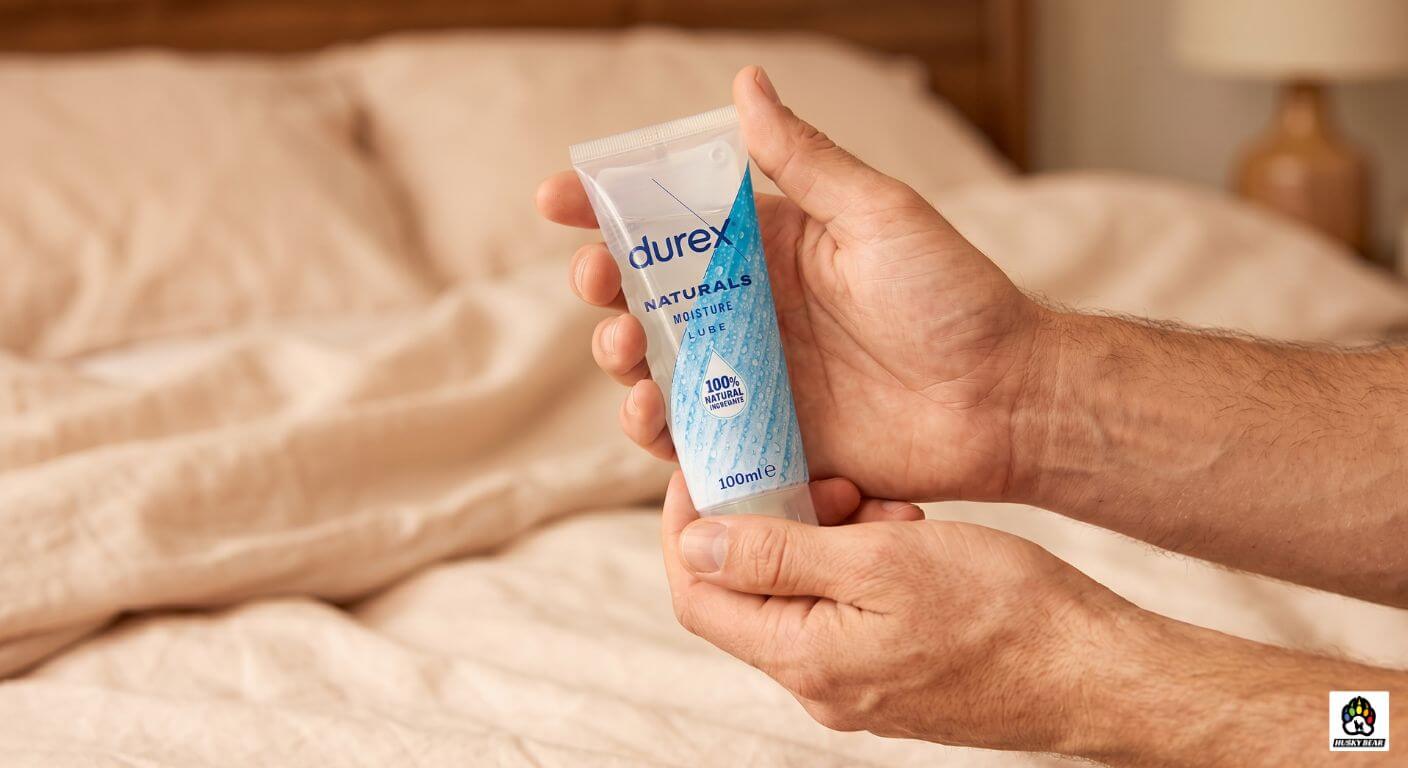
The one trade-off: water-based lubes absorb into the skin and evaporate faster than other types, meaning you may need to reapply during longer sessions. This is easily handled by keeping the bottle within reach. Products like Durex Naturals Pure Water-Based Lube (100ml) or the Durex Aloe Vera Lube (200ml) are good examples — both are body-safe, free from unnecessary additives, and available in larger sizes so you’re never running low mid-session.
Silicone-Based Lube: Long-Lasting and Waterproof
Silicone-based lubes last significantly longer than water-based formulas, and they’re not affected by water — making them popular for shower or bath play. They feel silky and smooth, and a small amount goes a long way.
The critical caveat: silicone lube degrades silicone toys over time, causing the surface to become sticky and porous — which is both unpleasant and a hygiene concern. If you’re using any silicone toys, stick to water-based lube with those. Silicone lube is perfectly fine for use with condoms, glass toys, or metal toys.
Oil-Based Lube: Use With Caution
Oil-based lubricants (including coconut oil and similar natural alternatives) are long-lasting and gentle on skin. However, they break down latex condoms, significantly reducing their effectiveness as protection against pregnancy and STIs. If you use condoms — and you should with a new or casual partner — oil-based lube is off the table. They’re also harder to clean from the body and can upset the delicate bacterial balance of the anus for some people.
How Much Lube to Use for Anal
A common beginner mistake is using too little lube and thinking something is wrong when it still feels uncomfortable. The answer is almost always: use more. As a starting point:
Fingers: A pea-sized amount on the fingertip, plus a small amount around the external opening.
Smaller toys or plugs: Coat the toy generously, and apply a small amount directly to the opening.
Penetrative sex: Apply liberally to both the penetrating partner and the receiving partner’s opening. More than you think you need is the right amount.
Reapplication: Any time you feel resistance increase or things start to feel less smooth, add more. There is no “too much”.
If you’re using a water-based lube specifically, plan to reapply every 10–15 minutes during longer sessions. Keeping the bottle accessible rather than tucked away makes this habit effortless.
How to Apply Lube for Anal Sex: Step-by-Step
Knowing how to use lube for anal sex isn’t just about squeezing it on and hoping for the best — application technique genuinely matters, especially for comfort and ease of penetration.
Start with external application. Apply lube generously around the outside of the anus. This is your first layer of coverage and ensures the opening is well-lubricated before anything else happens.
Apply to the finger, toy, or penis. Coat the item being inserted completely, paying attention to the tip and first few centimetres — the area that makes first contact.
Consider internal application for deeper penetration. For more comfortable deeper penetration, a small amount of lube applied just inside the opening (using a clean finger) significantly reduces friction further in. This is particularly useful for first-timers.
Move slowly and check in. Lube reduces friction, but the sphincter still needs time to relax. Go slowly, breathe steadily, and communicate openly with your partner about pace and comfort.
Reapply as needed. Any time you pause, resume, or notice reduced slickness, add more lube. Don’t push through discomfort thinking it’ll get better — it won’t.
Clean up after. Water-based lubes rinse away easily with warm water. Silicone-based may need a gentle soap. Always clean any toys after use according to their material instructions.
Quick Reference: Anal Lube Application
Layer 1: External — around the anus
Layer 2: On the finger/toy/penis being inserted
Layer 3 (optional but recommended): Just inside the opening
Rule of thumb: If you think you have enough, add a little more
Reapply: Every 10–15 minutes for water-based, or whenever friction increases
What to Avoid: Ingredients and Common Mistakes
Not everything marketed as a lubricant is safe for anal use. Some ingredients can cause irritation, disrupt the body’s natural balance, or damage the materials you’re using. Here’s what to watch out for:
Ingredients to Avoid
Glycerin and glycerol. Found in many mainstream lubes, these sugar-based compounds can feed bacteria in the rectum and cause irritation or infections in sensitive individuals. Look for glycerin-free formulas if you experience any issues.
Numbing agents (benzocaine, lidocaine). Desensitising lubes are widely marketed for anal sex, but numbing the area is counterproductive — pain is your body’s signal that something needs to slow down or stop. Masking that feedback increases the risk of injury.
Parabens. Preservatives that some people react to with skin irritation. Not everyone is sensitive, but paraben-free formulas are a safer baseline choice.
Warming or cooling agents. Menthol, capsaicin-based ingredients, and similar compounds are extremely irritating on the delicate tissue of the anus. Avoid entirely for anal use.
Fragrance and flavouring. The anus is not the same as the genitals — scented and flavoured lubes may cause inflammation of the sensitive rectal lining. Stick to unfragranced formulas for internal use.
Household substitutes. Vaseline, hand lotion, body cream, and similar products are not lubricants. They degrade condoms, contain ingredients that irritate internal tissue, and are very difficult to clean off properly. Use a purpose-made lubricant.
Common Mistakes
Using too little lube. The most frequent mistake. If it’s not quite enough, double it.
Not reapplying. Lube doesn’t last indefinitely. A long session without reapplication ends up with barely any lube at all.
Using silicone lube with silicone toys. Damages toy surfaces and creates a breeding ground for bacteria.
Using oil-based lube with condoms. Dramatically increases condom failure risk.
Relying on numbing lube. Masking discomfort doesn’t fix its cause — slow down, use more lube, or stop and try again another time.
Buying Guide: What to Look for in the Best Lube for Anal
With so many options available, here’s a straightforward checklist for finding the best lube for anal sex:
Water-based for most situations. Unless you have a specific reason to go silicone-based (longer session, water play), a quality water-based lube is the safest and most versatile starting point.
Glycerin-free if you’re prone to irritation. Not everyone reacts to glycerin, but if you experience recurring irritation, switch to a glycerin-free formula.
No numbing agents. The sensation is the point — never mute it.
Fragrance-free and unflavoured. For internal use, keep it simple.
Thicker consistency. Thicker lubes cling better during anal sex compared to very runny formulas. A medium to thick consistency tends to work better for this purpose.
Generous size. A 100ml bottle is the practical minimum for regular use. The 200ml options — like the Durex Aloe Vera or Ylang Ylang Lube — are more economical and mean you’ll never have to ration.
Trusted brands with body-safe ingredients. Durex and similar established brands are transparent about their formulas and widely tested for safety.
At Husky Bear, the lubricants range focuses on water-based formulas from trusted brands. Standout options for anal use include:
Good lube is genuinely one of the best investments you can make in your sexual wellbeing. It’s the difference between an experience you want to repeat and one you don’t. Now that you know what to look for and how to use it, the only thing left is to find the right bottle for you.
Browse the full lubricants range at Husky Bear — all orders over €69 ship free across Europe, and bulk discount tiers mean the larger sizes are even better value.
This blog reflects the personal experience and community knowledge of our authors. It is not professional medical advice. If you have a health condition or take medication, consult your doctor before trying anything described here.