What Is Shibari? A basic Guide to Rope, Ritual & Rapture!
From Rimjobs to Ropework. Some weeks ago, we dived into the art of rimming. If you missed it, check this epic blog out: 10 Mind-Blowing Rimjob Tips.
This week, we’re exploring the intricate world of Shibari, the Japanese art of rope bondage. So that you no longer have to wonder what is Shibari? and how to introduce it into your bedroom. 😉
The Daily Campus+1Amazon+1 before we go into the knots, read this amazing article about part of the University of Connecticut’s “Sexual Liberation Week,” the student group Sexperts organized a rope and safety seminar on February 13, 2025. The workshop was led by Seva and Corwin from Upline Rope Studio, aiming to educate attendees on the art and safety of Shibari, the Japanese practice of rope bondage.
Table of Contents
What Is Shibari / Shibari Bondage?
Shibari (縛り), meaning “to tie” is the Japanese art of rope bondage, emphasizing aesthetics, connection and trust.
Originating from Hojōjutsu, a martial art used to restrain captives, Shibari evolved into an erotic and artistic practice. Pioneers like Itō Seiyū in the early 20th century transformed it into a form of artistic expression, blending elements from Kabuki theater and Ukiyo-e woodblock prints.
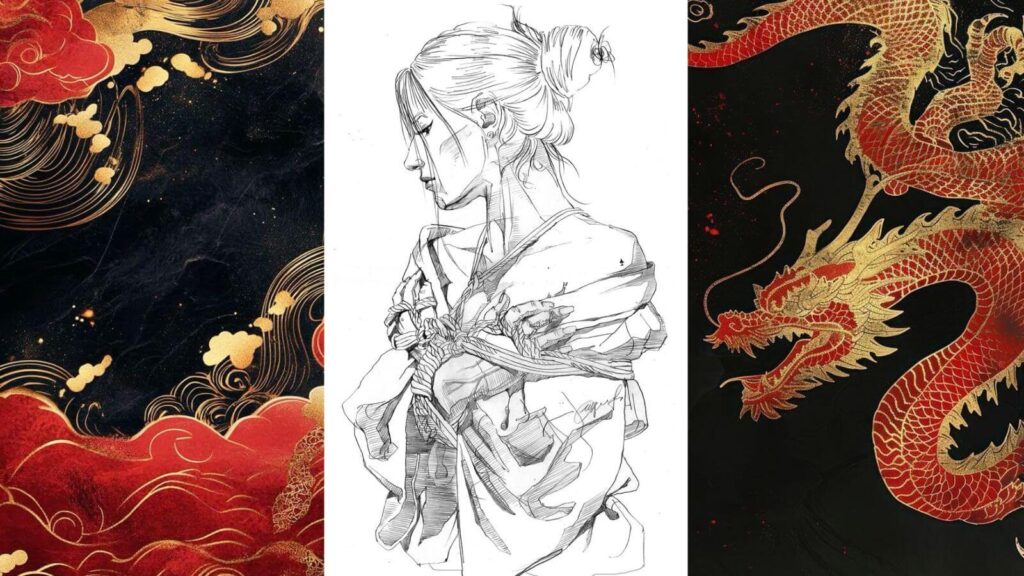
Research indicates that engaging in practices like Shibari can enhance emotional intimacy and relationship satisfaction. A study by Brauer et al. (2021) suggests that adult playfulness, which includes imaginative and playful interactions, can deepen emotional bonds between partners. While not focused solely on sexual role-play, the findings highlight how playful intimacy can fuel connection and pleasure in romantic life.
Lets Start with Essential Shibari Knots!
Embarking on your Shibari journey? Here are some fundamental Shibari Knots to begin with:
- Single-column tie is the most common shibari knot. A column is a thing you’re tying: a leg, a waist, a chair rung, a bed post. Below, it is demonstrated on an arm:
Make sure your bottom takes off any wrist jewelry/watches first. Then find the bight (center) of your rope. Wrap it around the wrist (above the joint) twice, leaving room for a couple fingers to slip between the rope and the wrist. Cross the bight over the working ends (the two ends of rope opposite the bight).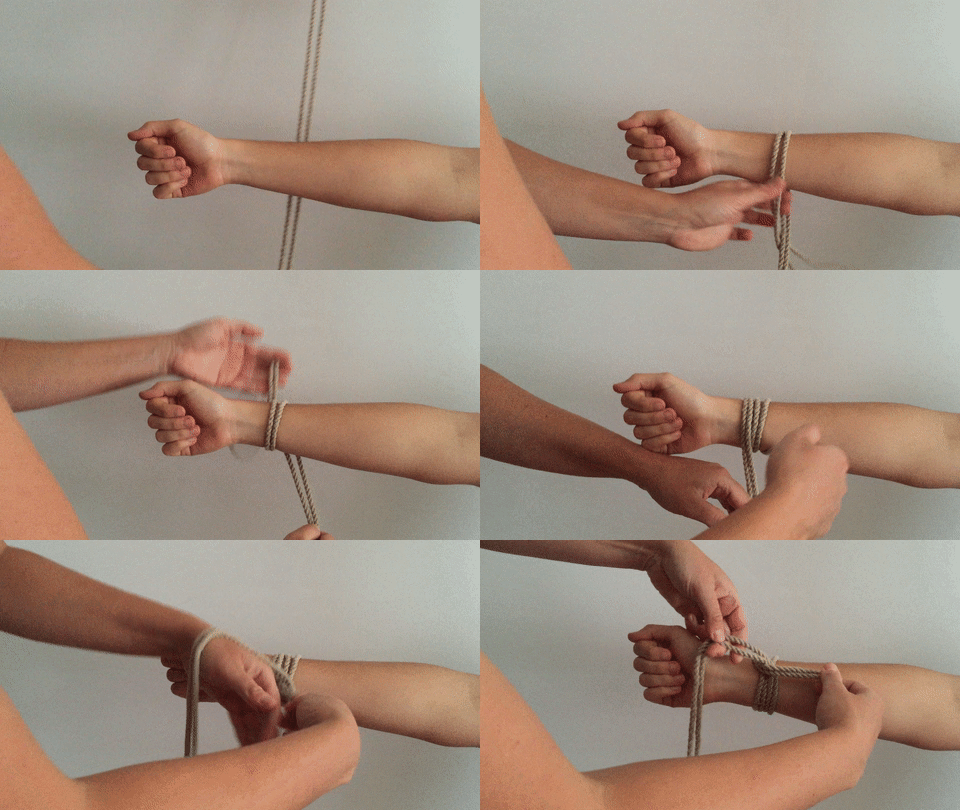
Tuck the bight underneath all the ropes. It’s better to always reach under and pull rope instead of pushing it through because it’ll retain its lay (twist pattern) better and not get out of shape.
Make a loop with the working end and pull the bight through. If the result does not create a knot and just falls apart, try bringing the bight through the other side.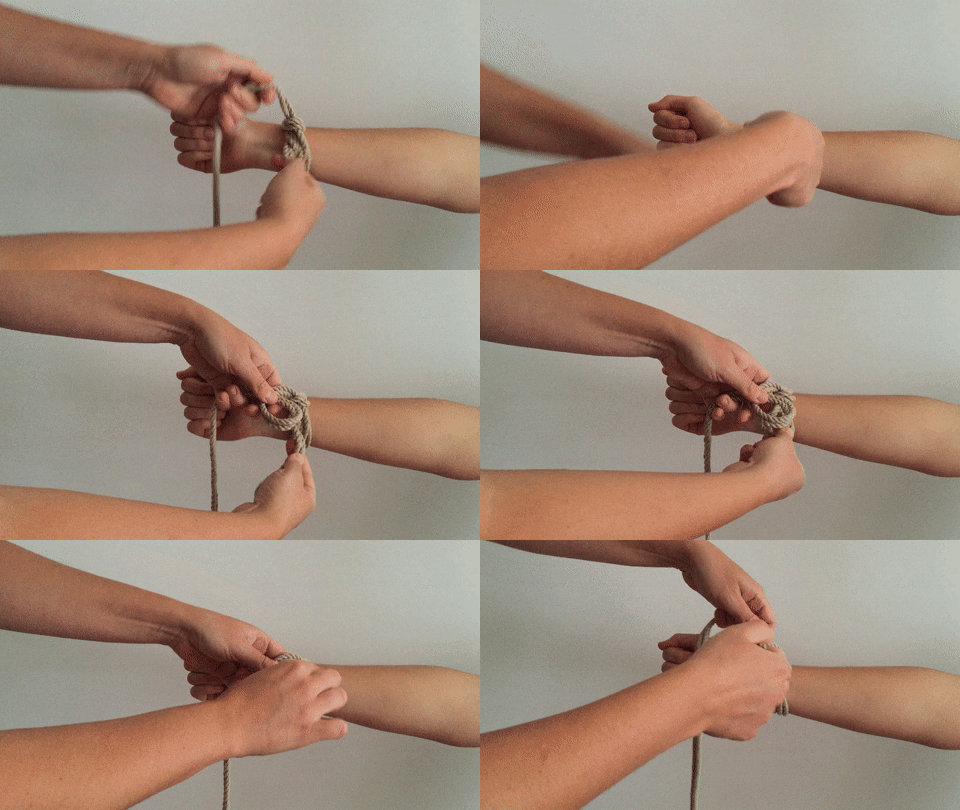
Create yet another loop and bring the bight through again. Pull tight on the knot — it shouldn’t tighten on the wrist at all, and you should still be able to slip a couple of fingers between the ropes and the wrist. That’s it!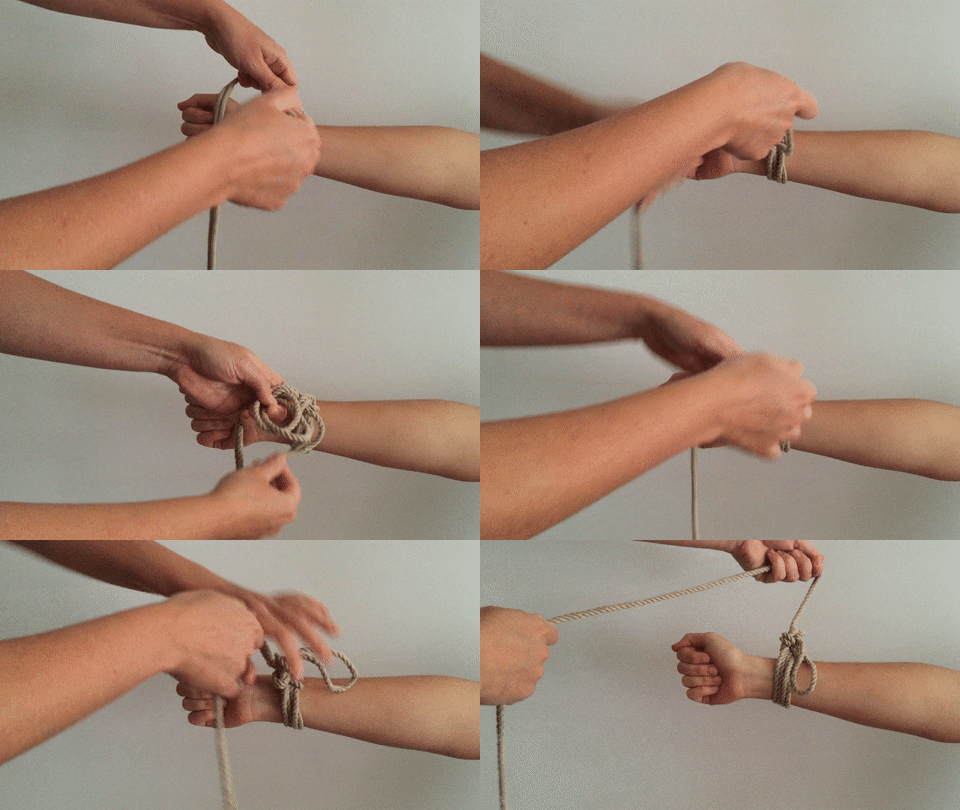
- Double Column Tie: Perfect for binding limbs together.
Start by finding the bight or center of your rope. Wrap it around both wrists twice. Make sure to leave a lot more slack on your bight than you did for the single column tie.
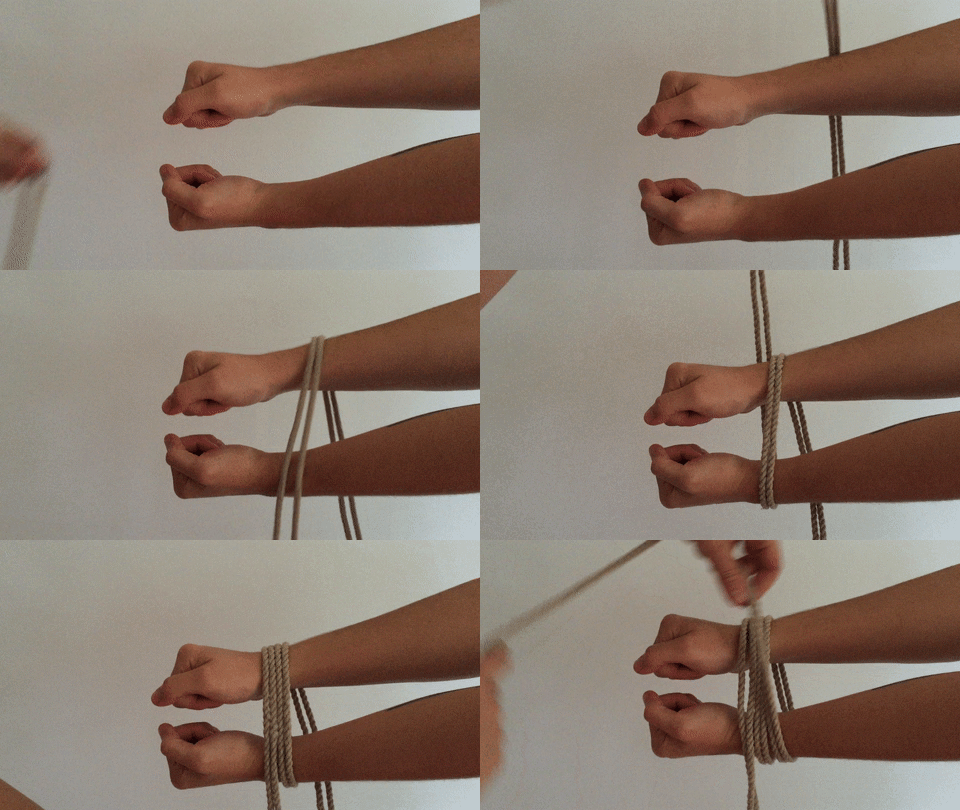
Cross the bight over the working ends at the top and center of the wrists. Pass the rope through the wrists and behind both sets of the ropes and then back to the front. Unlike the single-column tie, which just wraps the bight under the top set of ropes, the double-column tie wraps the bight over both the top and bottom sets of ropes. The rope goes between the two columns, over both sets of ropes, and back up again.
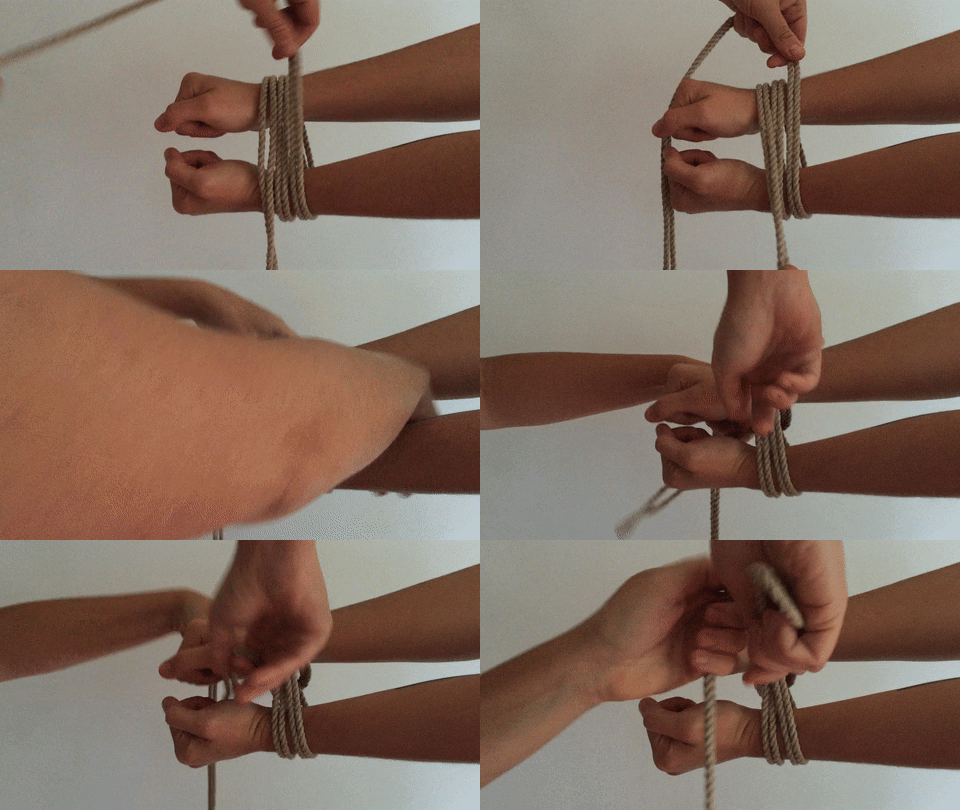
Make a loop with the working end and bring the bight through. If it does not create a knot and just falls apart, try bringing the bight through the other side.
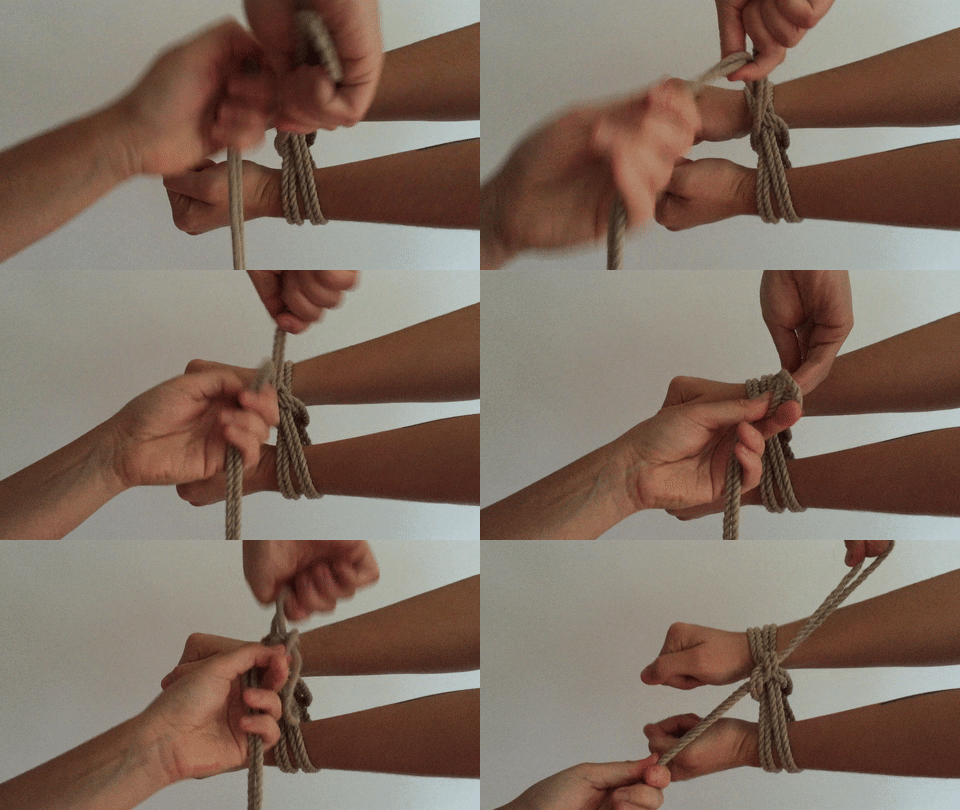
Create yet another loop and bring the bight through again. Pull tight to lock the knots. The knot should not tighten on the wrists at all, and you should still be able to slip a couple fingers between the ropes and the wrists, but not so loose that the hands can slip through.
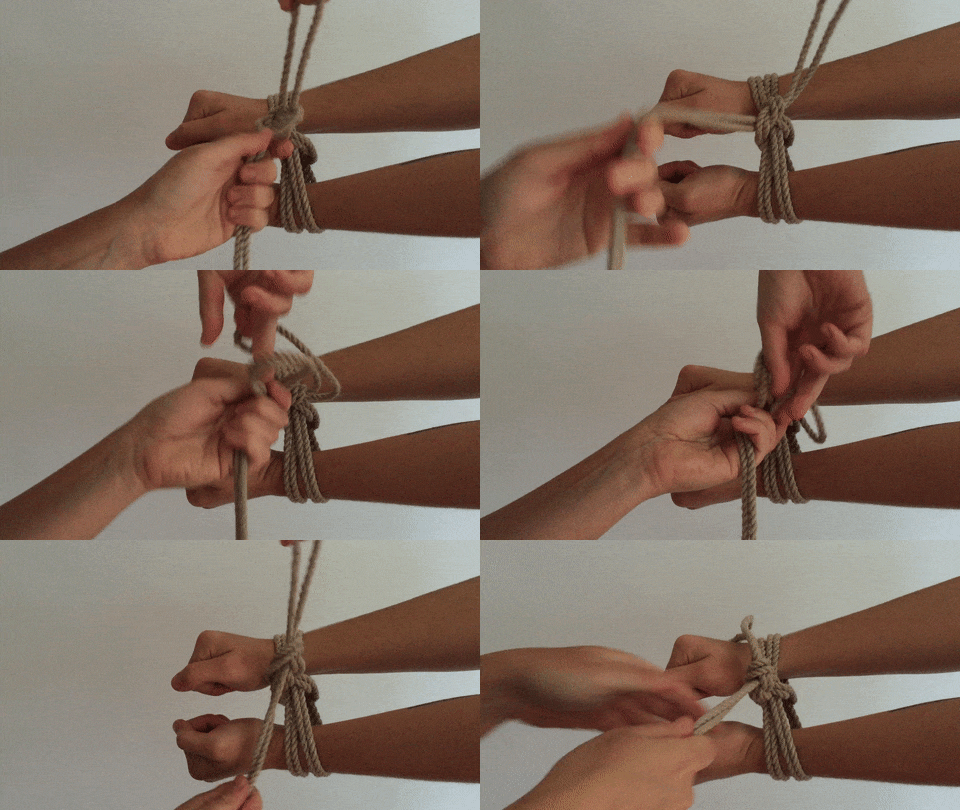
**GIFs & Portions of the instructional content in this post are coppied/based on techniques and explanations from Autostraddle’s article: “Shibari Bondage 101: Single and Double Column Ties,” which offers an excellent beginner-friendly introduction to foundational Shibari knots.
- Futomomo (Leg Fold Tie): A classic for immobilizing the legs. The frog Shibari knot refers to a tie that keeps a limb folded like a bent arm or a bent leg. It is a fast and simple way to create movement restriction. The bent leg tie is also called futomomo shibari 太腿縛り (thigh tie) or futo 太 (fat) for short. The frog tie is a popular tie among self-tier and a good way to practice if you don’t have a partner around.
For even more visuals and other different ways of tying check out this YT channel: Shibari Tutorials.
Recommended Gear for Beginners in Shibari Bondage
Starting with the right equipment is crucial. Here are some beginner-friendly Shibari Bondage kits:
- Super Beginners’ Jute Rope Kit: Available at Anatomie Shop.
- 2-Ply Shibari Rope Bondage Kit: Handcrafted and available on Etsy.
- Shoshinsha Jute Rope (6mm, 8 meters): Offered by Bound Studio
Remember, safety is paramount. Always have safety shears nearby and communicate openly with your partner.

Learn by Watching
Visual tutorials can be incredibly helpful. Explore this Quick Release Shibari Tutorial for a safe and effective knot. shibariacademy.com+6YouTube+6TikTok+6
Dive Deeper in Shibari Bondage
For those interested in the cultural and psychological aspects of Shibari:San Diego Magazine
- “KINBAKU: The Liminal and the Liminoid in Ritual”: An academic exploration of Shibari’s ritualistic elements. Read the article.assets.pubpub.org
- “An Evolutionary Psychological Approach Toward BDSM Interest and Practice”: Examines the biopsychosocial factors underlying BDSM practices. Read the study.PubMed Central+1PubMed Central+1
Final Thoughts
So What is Shibari? It is more than just rope – it’s about connection, trust, and artistry
Whether you’re a curious beginner or looking to deepen your practice, remember to prioritize safety, consent, and continuous learning.
If you’d like assistance in expanding any section or need more resources, feel free to ask!
Exploring new sensations, like Shibari or poppers, can bring up a lot of questions.
That’s why we hang out regularly on Reddit in the awesome community called Poppers Den a space where we talk openly about everything from the best brands, responsible use and mind-blowing sex tips, to kinky techniques like breath play, edging, or even Shibari.
It’s a judgment-free cheeky corner of the internet where you can ask anything. We share stories and safety info, we also laugh together about the occasional popper mishap. If you’ve ever wished for an honest, experienced friend who’s been there, come join us.
I share advice there too, so come say hi!
And as always. If you liked this blog or want more deep dives, let me know. You’re part of the pack now!
Love, Husky. xoxo